
In sheet metal laser cutting, power does not determine the result by itself. Material grade, thickness, surface condition, assist gas, gas purity and pressure, nozzle condition, focus position, speed and machine dynamics all affect whether the part leaves the table ready for the next operation.
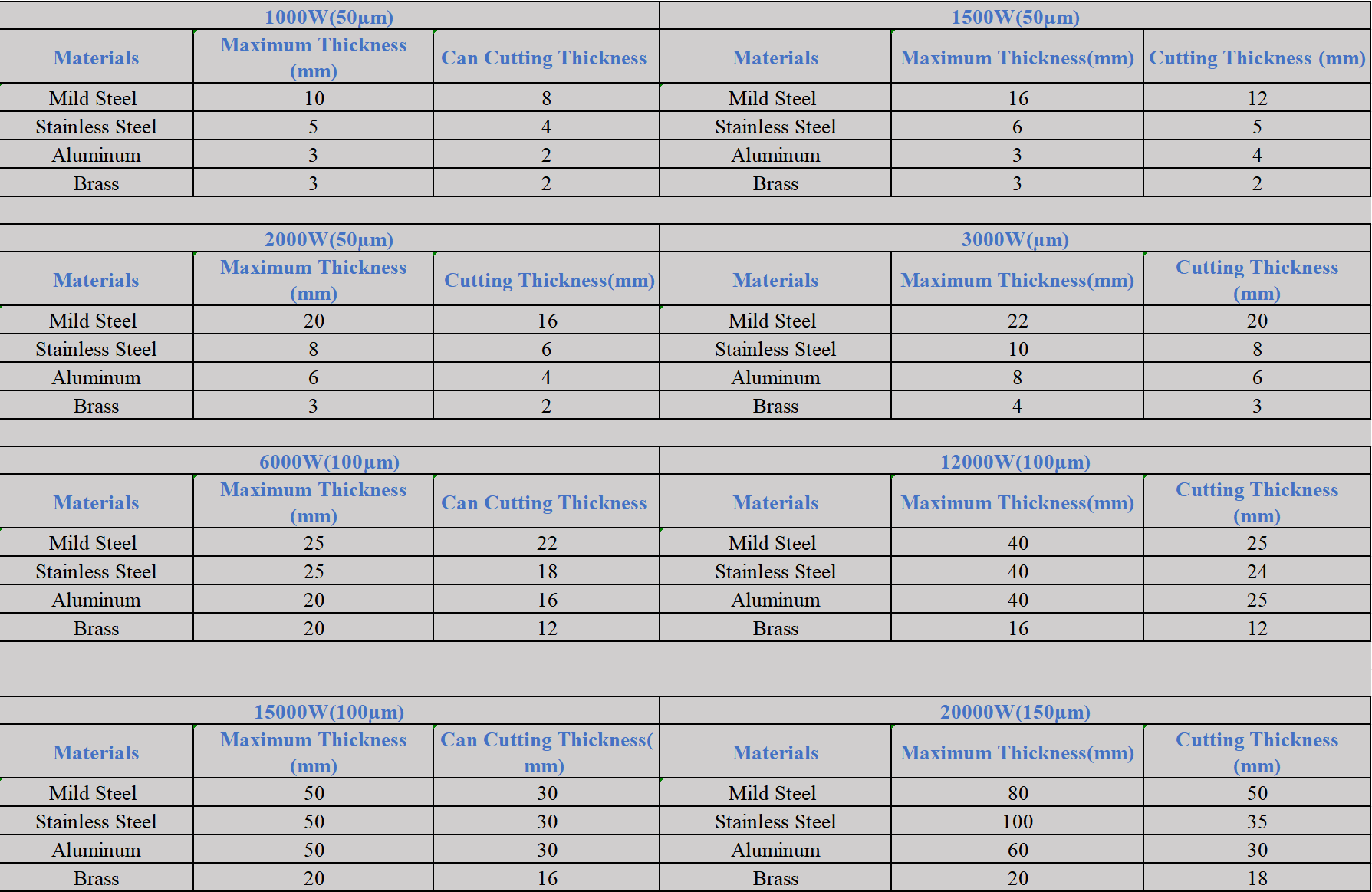
Use the existing fiber laser cutting machine power guide for BEIGEMA’s 1–12 kW screening ranges; this guide focuses on gas and cut quality.
Choose Assist Gas from the Material and Required Finish
Assist gas removes molten material from the kerf and changes the cutting reaction. The best choice is therefore a production decision, not a simple rule that one gas is always faster or cheaper.
| Assist gas | Typical use | Main tradeoff |
|---|---|---|
| Oxygen | Carbon-steel flame cutting | Can increase cutting capability but leaves an oxidized edge |
| Nitrogen | Oxide-free stainless/aluminum edges | High flow and pressure can make gas cost significant |
| Compressed air | Selected carbon steel, stainless and aluminum work | Lower purchased-gas cost, but air must be clean, dry and suitable for the machine |
| Argon or mixed gas | Special materials/applications | Use only with a qualified process and compatible system |
Oxygen can support an exothermic reaction in carbon steel, but the oxide layer may need removal before welding or coating. Nitrogen is commonly chosen where an oxide-free edge matters. Compressed air may reduce purchased-gas cost, yet oil, moisture, inadequate pressure or insufficient flow can damage optics and destabilize the cut.
The available equipment families are listed in the fiber laser cutting machine category.
Thickness Capability Needs Three Different Answers
- Maximum severance thickness: the machine can separate the plate, but speed and edge quality may be unsuitable for regular production.
- Stable production thickness: the process can run repeatedly at an acceptable cycle time and consumable life.
- High-quality thickness: the cut meets the buyer’s tolerance, perpendicularity, dross, roughness and downstream requirements.
A quotation should state which definition is being used. Ask for samples at the normal and maximum production thickness using the exact grade, gas and finish requirement. A generic wattage chart cannot replace that evidence.
For a single-table configuration, review the BM Series 3015 fiber laser.
What Controls Laser-Cut Edge Quality?

| Symptom | Likely checks | Practical response |
|---|---|---|
| Dross on lower edge | Speed, focus, gas pressure/flow, nozzle | Return to approved parameter set; inspect consumables |
| Wide or tapered kerf | Focus position, beam/nozzle centring | Check optics and nozzle alignment |
| Rough striations | Speed, power, gas and material surface | Test one parameter at a time |
| Burning or overcut | Speed too low or oxygen reaction too strong | Verify speed, focus and gas choice |
| Inconsistent corners | Acceleration, corner power and heat buildup | Use controller-specific corner settings |
| Frequent protective-window damage | Dirty gas, spatter or bad piercing | Stop and inspect gas quality and piercing setup |
Gas pressure alone is not the cure for a poor edge. Nozzle diameter, standoff, nozzle centring and available gas flow determine what pressure reaches the kerf. Increasing pressure without checking those variables can waste gas and make the result less stable.
A fully enclosed exchange-table option is shown on the BM Series covered fiber laser.
How to Compare Operating Cost
Do not quote one RMB-per-hour or RMB-per-kWh figure without a dated local utility and gas basis. Build cost per part from measured cycle time, nesting yield, electricity, gas consumption, compressor power and maintenance, then add labour and any grinding, oxide removal or rework.
- Purchased oxygen or nitrogen price and delivery/storage charges.
- Compressor, dryer, filtration and electricity cost when using air.
- Nozzles, ceramic parts, protective windows and other consumables.
- Piercing time, cutting speed, sheet utilization and unattended-running rate.
- Rejected parts and secondary processing caused by poor edges.
For the wider procurement process, read buying sheet metal machinery from China.
Cut Sample Acceptance Checklist
- Material certificate, grade, thickness and surface condition match production stock.
- Machine power, cutting head, nozzle, focus, gas type, purity and pressure are recorded.
- Dimensions, hole quality, perpendicularity, dross, roughness and heat tint are measured against the drawing.
- Pierce time, cut time and gas consumption are recorded for cost-per-part comparison.

Sheet Metal Laser Cutting FAQs
Is nitrogen always the best gas for stainless steel?
Nitrogen is widely used for an oxide-free edge, but pressure, flow and cost can be substantial. Confirm finish requirements and compare against qualified air-cutting parameters where appropriate.
Can compressed air damage a fiber laser?
Poorly conditioned air can contaminate or damage the optical path. Use only the pressure, flow, filtration, dryness and oil-control specification approved by the machine and cutting-head supplier.
Why do two machines with the same power cut differently?
Cutting head, beam quality, motion system, parameter library, gas delivery, material and maintenance condition can all change capability and edge quality.
What is the fastest way to verify a supplier's thickness claim?
Request recorded sample cuts using your material and drawing, then measure edge quality and cycle time rather than accepting a maximum-thickness number alone.
Send material details and sample requirements through the BEIGEMA contact page.


